Domestic cleaning sits under Assistance with Daily Life in most NDIS plans. That sounds simple, but the work is meaningfully different from a regular commercial clean. The wrong provider will leave a spotless floor and an unsettled participant. The right one becomes part of the routine that keeps the household running.
Why NDIS cleaning is its own discipline
Cleaning a participant's home is care work as much as it is housework. You are entering someone's private space, often when they are present and sometimes when they are anxious. Sensory triggers, communication preferences and personal routines all matter — and a worker who does not know that will accidentally cause distress.
- Sensory-aware product choice (low-fragrance, low-noise equipment)
- Predictable visit times and the same worker where possible
- Asking before moving belongings, especially in bedrooms
- Clear handover notes after every visit
- Infection-control standards for post-hospital cleans
The eight questions to ask before you book
- 1Are you a registered NDIS provider, or do you work with plan-managed and self-managed participants only?
- 2Are all your cleaners NDIS Worker Screened?
- 3How do you brief workers on participant preferences before the first visit?
- 4Do you provide a written report after each clean, and can my coordinator see it?
- 5How do you handle a participant or family request to change worker?
- 6What is your process if a worker is sick or running late?
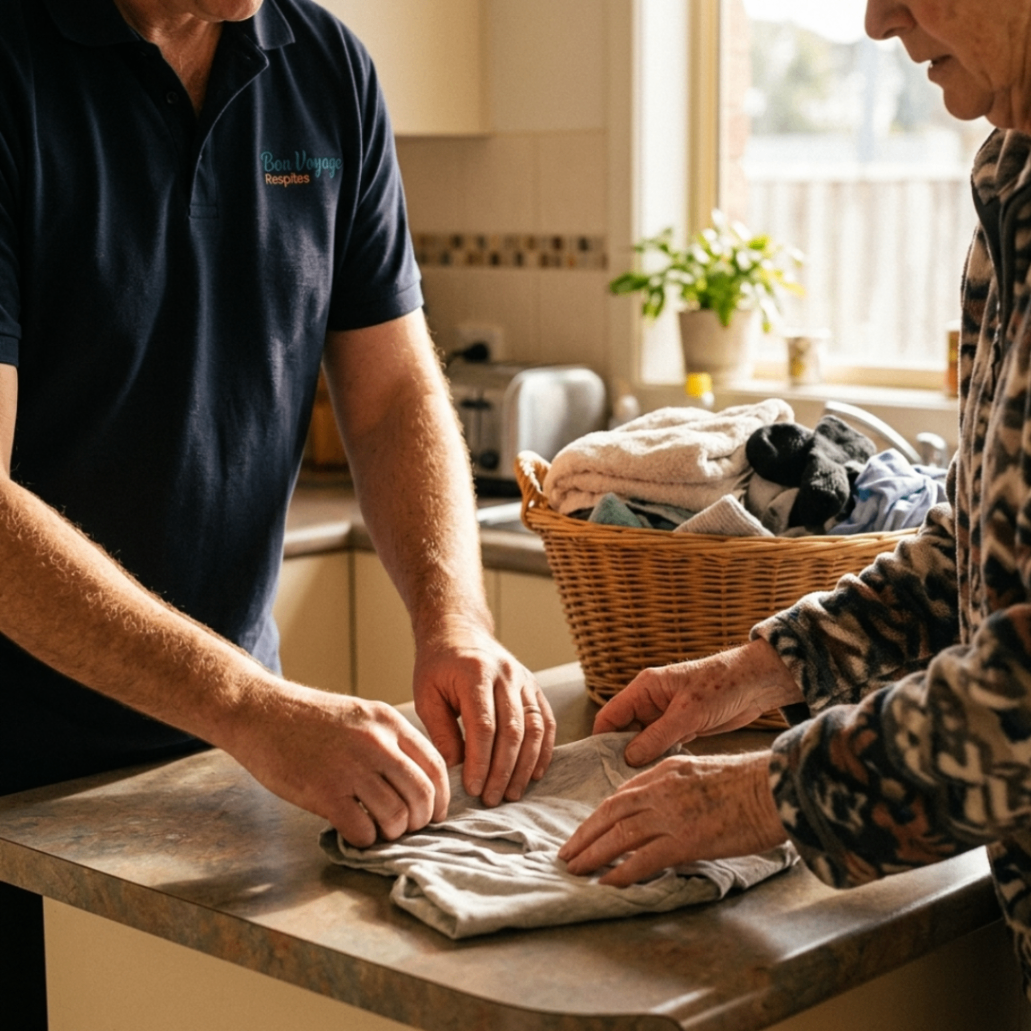
- 7Can you bundle cleaning with other supports like laundry or meal prep on the same visit?
- 8What is your hourly rate, and does it match the NDIS price guide?
How much should NDIS cleaning cost?
Cleaning under Assistance with Daily Life is capped by the NDIS Price Guide. Registered providers must charge at or under the cap. Non-registered providers can charge what they like, which is sometimes lower but comes with no obligation to follow NDIS standards.
2–3 hrs
Typical visit length
Weekly or fortnightly
Common cadence
1–2 regulars
Workers per household
48 hrs
Notice for changes
What a good visit looks like
The worker arrives on time, greets the participant, confirms the plan for the visit, and gets to work. Bathroom, kitchen and floors are the non-negotiables. Sheets, dishes and laundry depend on the household. At the end, a short written note records what was done and anything that needs follow-up.
"A good cleaner notices when the medication box is empty before the participant does. That is the difference between cleaning a house and supporting a home."
Quick answers
Can NDIS cleaning cover decluttering?▾
Yes — particularly post-hospital or in homes where hoarding is a clinical issue. Make sure this is in the participant's plan or have your coordinator confirm.
Is end-of-tenancy cleaning covered?▾
Often yes, particularly when a participant is moving between SIL or SDA properties. Confirm with your plan manager before booking.
Can I keep my existing cleaner if they are not NDIS registered?▾
Yes, if you are self-managed or plan-managed. Agency-managed participants need a registered provider.
Key takeaway
Treat your NDIS cleaner as part of the support team, not a separate service. Pick a provider that documents, screens and bundles — not just one that quotes cheapest.
Bon Voyage Respites
Service delivery
Written by the people delivering supports every day across Sydney, Melbourne, Brisbane, Adelaide and Perth.