
Supported Independent Living (SIL) and Specialist Disability Accommodation (SDA) are two of the most-confused line items in the NDIS. They sound similar, often appear in the same plan, and fund completely different things. Get them mixed up and you can wait months for a placement that was never going to work.
What SIL actually funds
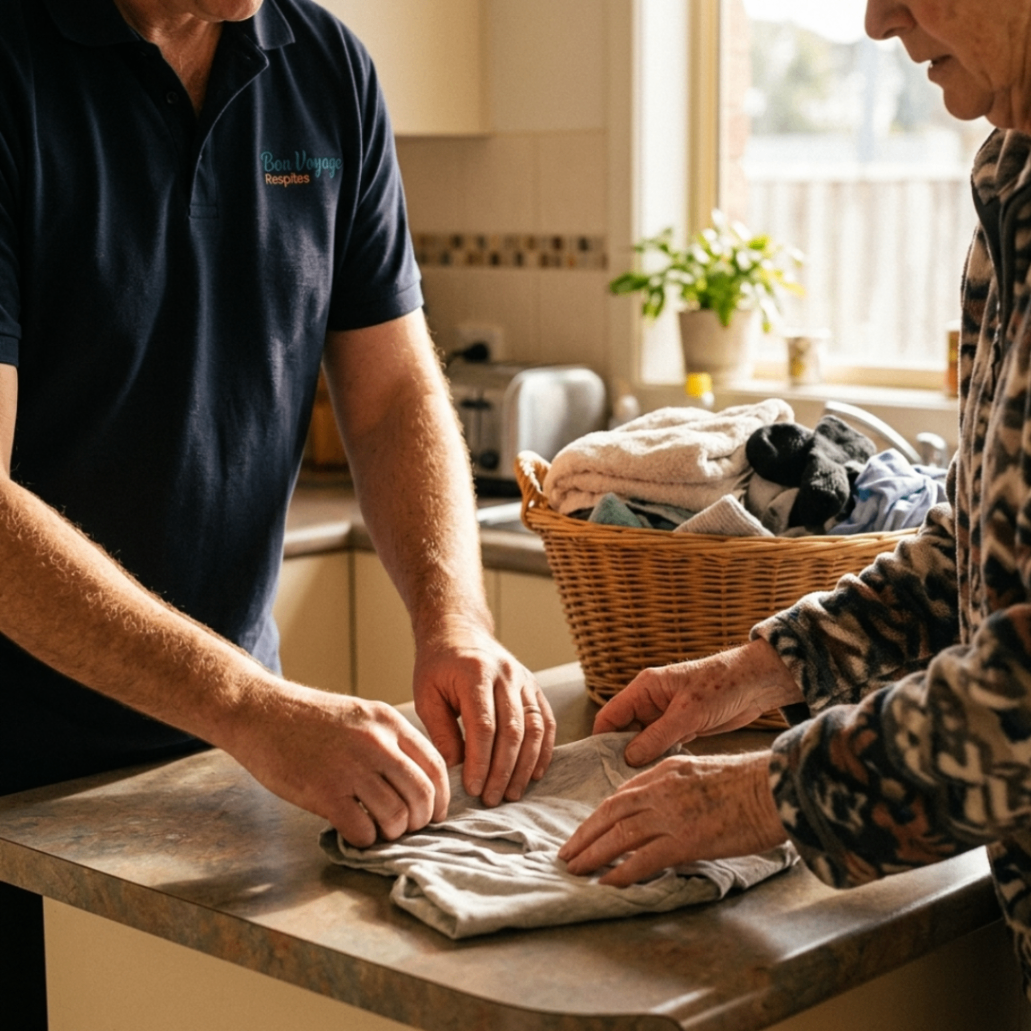
SIL pays for the people. A roster of disability support workers helps with personal care, medication prompts, household tasks, behaviour support implementation and the daily rhythm of a home. SIL is funded under Core supports and is paid to the SIL provider — the agency that employs the workers.
- Personal care, including overnight active or inactive support
- Household tasks like cleaning, laundry and meal prep
- Medication prompts and coordination with health teams
- Behaviour support plan implementation
- Skill building in a domestic setting
What SDA actually funds
SDA pays for the bricks and mortar. It funds the additional cost of a specialist building — robust construction, high physical support features, fully accessible bathrooms — beyond what a regular rental would cost. SDA is funded under Capital supports and is paid to the SDA provider, who is typically the building owner.
Who qualifies for SDA?
SDA is a small, tightly-scoped part of the scheme. Around 6% of NDIS participants are funded for it. To qualify, you need to demonstrate extreme functional impairment or very high support needs, and that an SDA dwelling is the most cost-effective way to meet your housing needs over the long term.
- 1Functional capacity assessment from an OT familiar with SDA
- 2Housing goals captured clearly in your NDIS plan
- 3Evidence that mainstream housing options have been considered and ruled out
- 4Alignment on the design category — Improved Liveability, Fully Accessible, Robust, or High Physical Support
The seven mistakes that cost months
- 1Treating SIL and SDA as one decision — they are sequenced, with SIL provider usually confirmed before SDA tenancy
- 2Choosing housemates by location alone, ignoring compatibility
- 3Skipping the meet-and-greet before signing a SIL service agreement
- 4Not reading the SDA tenancy and SIL service agreement side-by-side
- 5Assuming the SDA provider and SIL provider will coordinate without prompting
- 6Forgetting to budget for transition costs that are not in the plan
- 7Waiting for the NDIA to find a property — they do not, you and your coordinator do
"The participants who move in quickly are not the ones with the highest funding. They are the ones whose family or coordinator asked the boring procedural questions in week one."
What good looks like
A well-run SIL and SDA placement feels boring in the best way. The building works. The roster is consistent. The participant knows the staff before they move in. Reports go to the support coordinator on a predictable cadence. There are no surprises in the first three months because everything was planned in the previous three.
Quick answers
Can I change my SIL provider without moving house?▾
Yes, if your housing is SDA or a head-leased property and the building owner agrees. Your coordinator manages the transition with both providers.
Does SDA cover utilities and rent?▾
No. You pay reasonable rent contribution to the SDA provider, plus utilities. SDA funding covers the building's extra capital cost.
How long does it take to get into SDA?▾
Highly variable. With the right OT report and a willing SDA provider, weeks. Without them, easily 12 months or more.
Key takeaway
Get SIL and SDA framed clearly in your plan, then move in sequence: provider, building, move-in. Skip any step and you will pay for it in delay.
Bon Voyage Respites
NDIS housing team
Written by the people delivering supports every day across Sydney, Melbourne, Brisbane, Adelaide and Perth.